
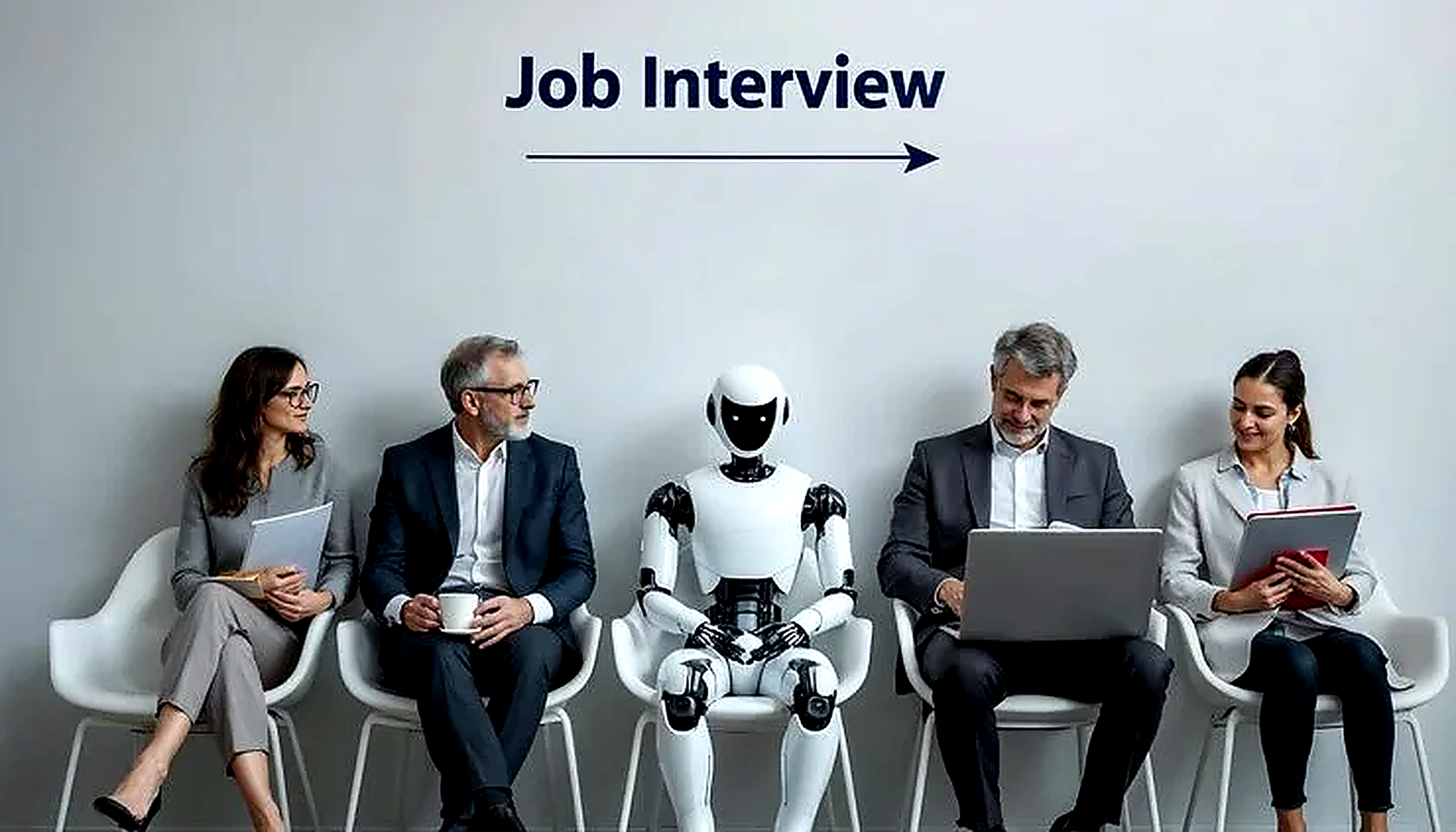
Artificial Intelligence (AI) is no longer a futuristic concept — it has become a powerful force reshaping industries, businesses, and everyday human life. Over the past few years, rapid advancements in AI technology have changed how companies operate, how people work, and how decisions are made. From automated customer support to intelligent coding assistants, AI is transforming the global workforce faster than ever before.
In this article, we explore the latest updates in AI technology, its impact on human jobs, and whether AI is ultimately helpful or harmful to society.
Recent Updates in AI Technology (2025–2026)
The AI landscape has evolved dramatically with breakthroughs in machine learning, generative AI, and automation tools. Some of the most significant developments include:
1. Advanced Generative AI Models
Modern AI systems can now generate human-like text, images, videos, and even software code. Businesses are using AI to create marketing content, automate documentation, and speed up development processes.
Key improvements include:
- More accurate reasoning and problem-solving
- Multimodal capabilities (text, image, audio, and video understanding)
- Real-time assistance for developers and businesses
2. AI-Powered Automation in Workplaces
Companies are integrating AI into daily operations:
- Automated customer service chatbots
- Smart data analysis tools
- AI-driven marketing optimization
- Automated coding and debugging assistants
This allows businesses to operate faster while reducing operational costs.
3. AI in Healthcare and Education
AI tools are helping doctors detect diseases earlier and assisting students with personalized learning paths. AI tutors, predictive diagnosis systems, and medical imaging analysis are improving efficiency and accessibility worldwide.
4. Rise of AI Agents and Autonomous Systems
AI agents can now perform multi-step tasks independently — from managing workflows to handling research and business processes. These systems are changing how companies approach productivity.
Impact of AI on Human Jobs
AI is not simply replacing jobs — it is reshaping the nature of work.
Jobs Most Affected by AI
Certain repetitive or rule-based roles are seeing major automation:
- Data entry and administrative work
- Basic customer support
- Content moderation
- Routine programming tasks
- Manufacturing and logistics operations
AI can perform these tasks faster and with fewer errors.
Jobs Being Created by AI
At the same time, entirely new career paths are emerging:
- AI engineers and prompt specialists
- Automation consultants
- AI ethics and governance experts
- Data analysts and AI trainers
- Human-AI collaboration designers
Businesses now require professionals who understand how to work with AI rather than compete against it.
How AI Is Helpful for Humans
AI offers significant advantages across industries:
1. Increased Productivity
AI tools help professionals complete tasks in minutes that once required hours or days. Developers can write code faster, marketers can analyze campaigns instantly, and businesses can scale operations efficiently.
2. Better Decision-Making
AI analyzes massive datasets quickly, helping organizations make data-driven decisions with higher accuracy.
3. Improved Accessibility
AI-powered tools assist people with disabilities through speech recognition, translation, and smart assistants.
4. Innovation and Economic Growth
AI accelerates innovation by reducing barriers to entry for startups and entrepreneurs. Small businesses can now access advanced capabilities previously available only to large corporations.
How AI Can Be Harmful
Despite its benefits, AI also presents serious challenges.
1. Job Displacement
Automation may reduce demand for certain roles, especially repetitive or low-skill jobs. Workers may need reskilling to remain competitive.
2. Overdependence on Technology
Heavy reliance on AI can reduce critical thinking and human creativity if not balanced properly.
3. Privacy and Data Security Risks
AI systems require large amounts of data, raising concerns about personal privacy, surveillance, and misuse of information.
4. Ethical and Bias Concerns
AI models may unintentionally reflect biases present in training data, leading to unfair or inaccurate outcomes.
The Future: Humans + AI Collaboration
The future is not about AI replacing humans — it is about human-AI collaboration. Organizations that combine human creativity, emotional intelligence, and strategic thinking with AI’s computational power will gain the greatest advantage.
Experts predict that:
- Workers who learn AI tools will be more valuable in the job market.
- Hybrid roles combining technical and creative skills will grow rapidly.
- Continuous learning and digital adaptation will become essential career skills.
Final Thoughts
Artificial Intelligence is one of the most transformative technologies in human history. While it brings risks such as job disruption and ethical concerns, it also offers unprecedented opportunities for innovation, productivity, and global progress.
The key lies in responsible adoption — using AI as a tool to enhance human potential rather than replace it. Businesses, governments, and individuals must work together to ensure AI development benefits society as a whole.
As AI continues to evolve, those who adapt, learn, and collaborate with technology will thrive in the new digital era.
Conclusion
AI technology is neither purely helpful nor harmful — its impact depends on how humans choose to use it. With the right balance of regulation, education, and innovation, AI can become a powerful partner in shaping a smarter and more efficient future.
Looking to integrate AI solutions into your business or website? Visit:
👉 https://www.developerslife.in
Stay updated with the latest technology trends, web development insights, and digital innovation guides.